

Build a world, a feeling — not a product line
Most brands describe a product. A few describe a world.
Go to Pete Pareo's ethos page and try to find a description of the clothes. You won't.
What's there instead: fishermen in worn linen, trattoria tables gone smooth with salt and espresso, the morning catch laid out on ice, an old man's card game under an awning, voices carrying late into the night. Somewhere behind all of it, almost incidentally, there are things you can wear.
That's the strategy. It's worth stealing.
Most brands describe a product. A few describe a world.
Pete Pareo is an Australian summer label founded in 2023, and it positions itself between two coastlines — born on the Australian coast, shaped by summers spent across the Mediterranean. That's a place, not a product category. Their own line for it: stories of the Mediterranean, cut for today.
The difference sounds cosmetic. It isn't. If you describe a product, you compete on the product — cut, fabric, price, whoever makes it cheaper. If you describe a world, you're the only one in it.
Specificity is the mechanism
Look at what the details actually are. Not "Mediterranean summer" but espresso cups stacked on a bar. Not "coastal living" but the card game under the awning.
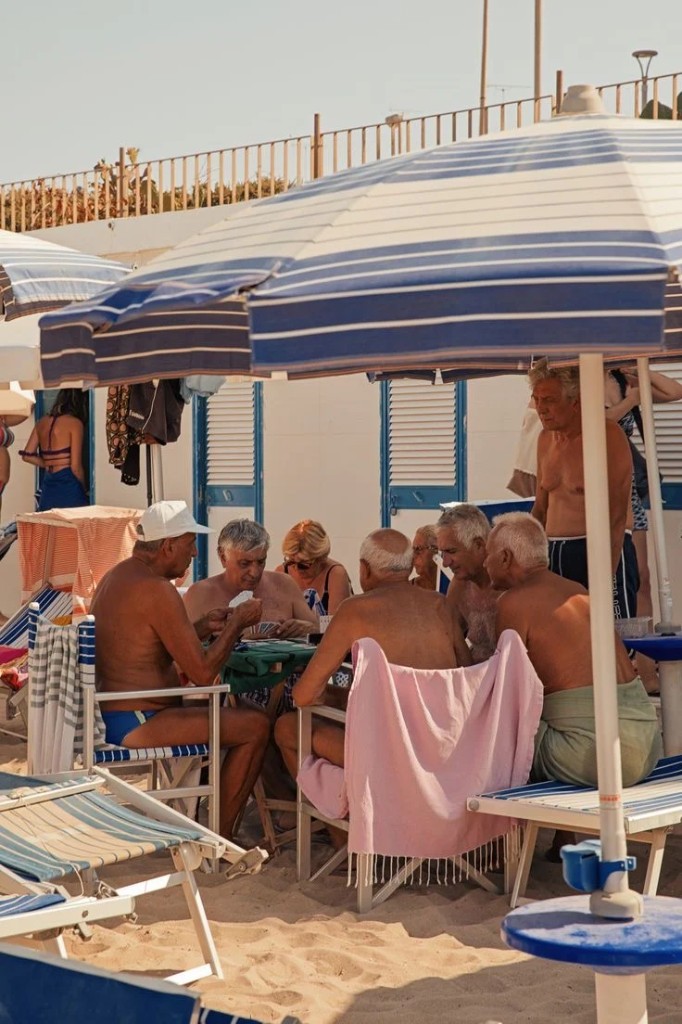
Vague detail is the tell that a brand was assembled in a meeting. You can't invent the card game. You either sat near it or you didn't, and readers know the difference even when they can't say why. That's what authentic means in practice — not sincerity, not a founder video, just details concrete enough that nobody else could have written them.
The world shows up in the products
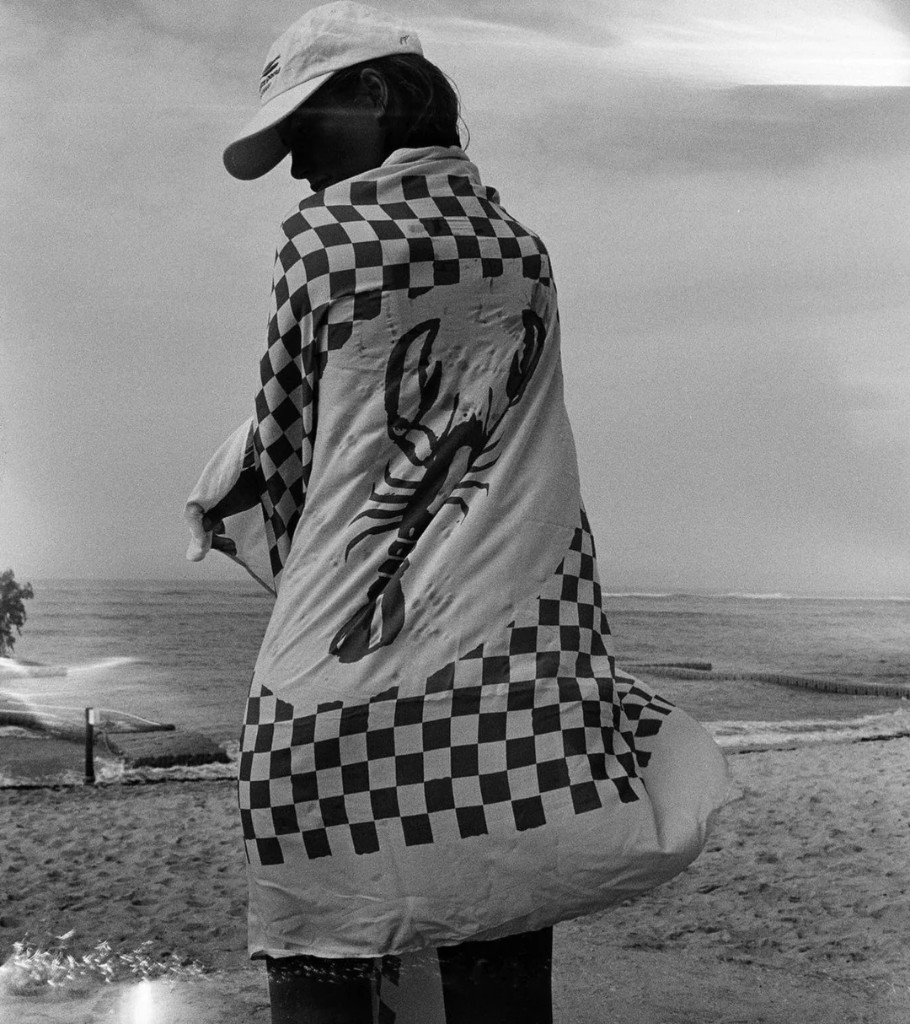
Look at the names. Caps: Sardine, Hotel Pescatore, Club, Los Peces. Tees: Negroni, Dolce.
None of those describe an item. Each is a fragment of the same place. Someone buying the Hotel Pescatore cap is buying a hotel that may not exist, in a town they've never visited, on a coast they've imagined.
The collections work the same way. They're numbered chapters — Chapter 01, then Los Peces, Club di Nuoto, Tutto Passa, La Lenza. Not spring/summer. Chapters, which implies a story still running and gives a customer a reason to check what happened next. The journal follows through: there's a Capri itinerary sitting where most labels would run a product roundup.

Why this is commercially useful, not just pretty
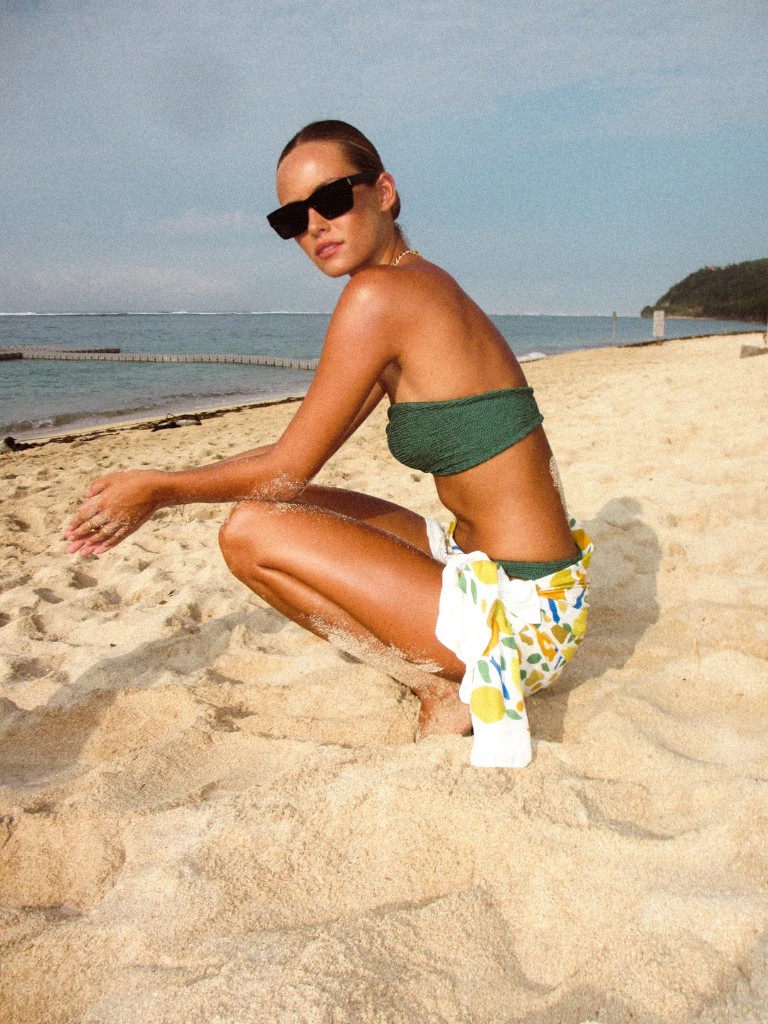
A world has room in it. Pete Pareo sells pareos, swim, tees, caps, pool towels — a wide range for a young label. In a product-led brand that reads as drift. In a world-led brand every one of those obviously belongs, because they all belong to the same afternoon. The world you build determines what you can credibly sell next, and a good one keeps making room.
A world also can't be copied at the item level. Anyone can knock off a cap. Nobody can knock off the reason someone wanted it.
The cost
A world is a constraint. Once you've built one you have to refuse everything that doesn't live there, including profitable things. Pete Pareo's stated position is continuity over trends — buy less, buy better, pieces cut to outlast seasons. That's an easy sentence to write and an expensive one to honour when a trend is selling.
That discipline is the price of the strategy. Brands that skip it end up with a beautiful about page and a catalogue that argues with it.
What to take from it
If you're building anything with a brand attached, the useful question isn't what do we sell. It's where does this live.
Answer that with real detail — a place you've been, an hour of the day, a particular table — and the product decisions get easier, the marketing writes itself, and you stop competing with everyone else selling the same object.
Pete Pareo sells summer clothing. What people are buying is the afternoon it belongs to.
Build the world. Then ship it.
The Club is for people turning a point of view into something real — strategy, brand, product, and the work that follows.